
Specialist Domestic & Family Violence Risk Assessment and Treatment in Brisbane
✓ Specialist DFV assessment aligned with national frameworks
✓ Clear risk levels and practical safety recommendations
✓ Child-focused approach to contact, care and wellbeing
✓ Therapeutic support for victim-survivors and persons using violence
Domestic and family violence includes physical harm, coercive control, emotional abuse, economic abuse, technology-facilitated abuse and ongoing power imbalances. Children can be harmed even if they are not directly targeted. As specialist domestic violence service providers in Brisbane, our DFV risk assessment and treatment services help identify danger, understand how violence affects parenting and child wellbeing, and plan safe, practical pathways for ongoing care and support.
Brisbane Specialist Domestic & Family Violence (DFV) Risk Assessment and Treatment Services
Purpose & Context
Domestic and family violence is not limited to isolated incidents of physical harm — it often involves coercive control, emotional/psychological abuse, economic abuse, technology-facilitated abuse and ongoing power imbalances. Children's exposure to DFV can have adverse developmental, emotional and relational impacts even if they are not the direct target of violence.
As a dedicated domestic violence specialist service, our risk assessment and treatment work aims to:
- Identify the presence, pattern, severity and escalation potential of DFV in caregiving and relational contexts;
- Map how violence or control influences parenting capacity, contact safety and children's wellbeing;
- Inform decisions about safe care arrangements, contact services, therapeutic pathways, and accountability for persons using violence;
- Support intervention planning (for persons using violence) and safety/support planning (for victim-survivors and children).
What We Offer
Specialist DV Risk Assessment Services
Our team undertakes structured and specialist domestic violence risk assessments in cases involving DFV, including:
- Screening and identification of DV/DFV indicators using validated, evidence-based tools and frameworks aligned with national and state-based risk assessment principles. Where appropriate, our assessments draw on internationally recognised actuarial instruments — including the Ontario Domestic Assault Risk Assessment (ODARA) and the Domestic Violence Risk Appraisal Guide (DVRAG) — to support structured, defensible estimates of recidivism risk;
- Comprehensive review of history (incident reports, interventions, protection orders, perpetrator/victim dynamics), collateral sources, interviews and observations;
- Focused assessment of risk to children and adults, including escalation indicators (weapons, strangulation/choking, stalking, threats, separation) and the broader context (mental health, substance use, housing instability);
- Combined assessment of parenting/caregiving ability where DFV is a factor: how violence or coercive control impacts capacity to provide safe, consistent, developmentally-appropriate care;
- Clear formulation of risk level, protective factors, change potential (for the person using violence), and recommendations for risk management (e.g., supervised contact, behaviour change programmes, safety planning).
Structured, actuarial tools bring consistency and predictive accuracy beyond unstructured judgment alone, helping agencies and decision-makers identify high-risk situations, prioritise resources, and tailor safety planning and supervision with confidence.
Treatment & Therapeutic Support Services
In conjunction with assessments, Keep Connected Psychology provides therapeutic services customised to DFV-affected families, including:
- Intervention for persons using violence: behaviour change programmes, individual counselling focused on accountability, relational capacities, attachment repair and parenting in the context of past violence;
- Support for victim-survivors: trauma-informed therapy, parenting support where children are involved, contact and changeover support to maximise safety and minimise retraumatisation;
- Supervised or supported parent-child contact services where DFV is present: structured contact planning, safe changeover protocols, monitoring and evaluation;
- Family therapy and reunification support when appropriate: restoring relational capacities in a safe, staged manner, taking into account the history of violence and current risks;
- Integrated safety planning for children and adults: multi-factor approach including environment, routines, triggers, support network, relational dynamics and legal/court interfaces.
Process & Time-Frame
- Referral & Briefing — Clear referral brief or terms of engagement outlining the assessment questions, scope (risk assessment, therapeutic intervention, contact supervision), parties involved, documents to review, and deadlines.
- Data Collection — Interviews with adult(s), children (age/maturity appropriate), and collateral persons; review of incident records, protection orders and past assessments; observations of family interaction or contact arrangements as needed.
- Analysis & Formulation — Use of evidence-informed frameworks (e.g., the National Risk Assessment Principles for domestic and family violence, alongside validated actuarial tools such as ODARA and DVRAG) to integrate findings, identify patterns of violence, assess risk escalation, evaluate caregiving in the context of DFV, and consider change potential and protective/supportive factors.
- Recommendations & Reporting — Delivery of a structured, clear report including risk level, protective/probative factors, specific recommendations (e.g., supervised contact, behaviour change treatment, ongoing monitoring, safety planning) and therapeutic pathways. Where required for court or tribunal settings, the report can include expert witness elements (methodology, limitations, clinical reasoning) suitable for tendering in proceedings.
- Therapeutic Implementation & Monitoring — Where intervention is required, therapy or programme commences; risk management and contact arrangements are monitored over time, with review of progress and adaptation of safety/relational plans as needed.
Why Choose Keep Connected Psychology and Therapies Centre in Brisbane
- Our clinicians bring specialist expertise in DFV-informed assessment and therapy, with experience across family law, child protection, reunification and contact contexts.
- We adopt trauma-informed, culturally responsive approaches: recognising the diverse ways DFV manifests, the significance of cultural and Aboriginal and Torres Strait Islander contexts, and the intersection of violence with social disadvantage.
- Our services are evidence-based and tailored: assessments aligned with national and state best practice and validated actuarial tools, therapeutic work informed by current research, and strong professional judgment in high-risk and complex cases.
- Our reporting is designed for use by courts, agencies and parties: clear structure, transparency of method, integrative reasoning and defensible recommendations.
Fees & Considerations
Risk assessment and treatment services for DFV cases vary significantly in complexity. Fees depend on factors such as the number of parties, children involved, scope of contact supervision, and the need for extended observations or specialist testing. Please contact us for a tailored quote once the scope and brief are confirmed.
What This Service Is Not
- A guarantee of a particular outcome (e.g., supervised contact will always be authorised) — rather, an expert assessment and therapeutic service that assists decision-makers and families in navigating risk and change.
- A stand-alone intervention ignoring the broader system — risk assessment and treatment work must be integrated with legal, child protection, contact and therapeutic systems.
- A simplistic tick-box exercise — DFV risk assessment and treatment involve dynamic, ongoing processes of monitoring, review and adaptation.
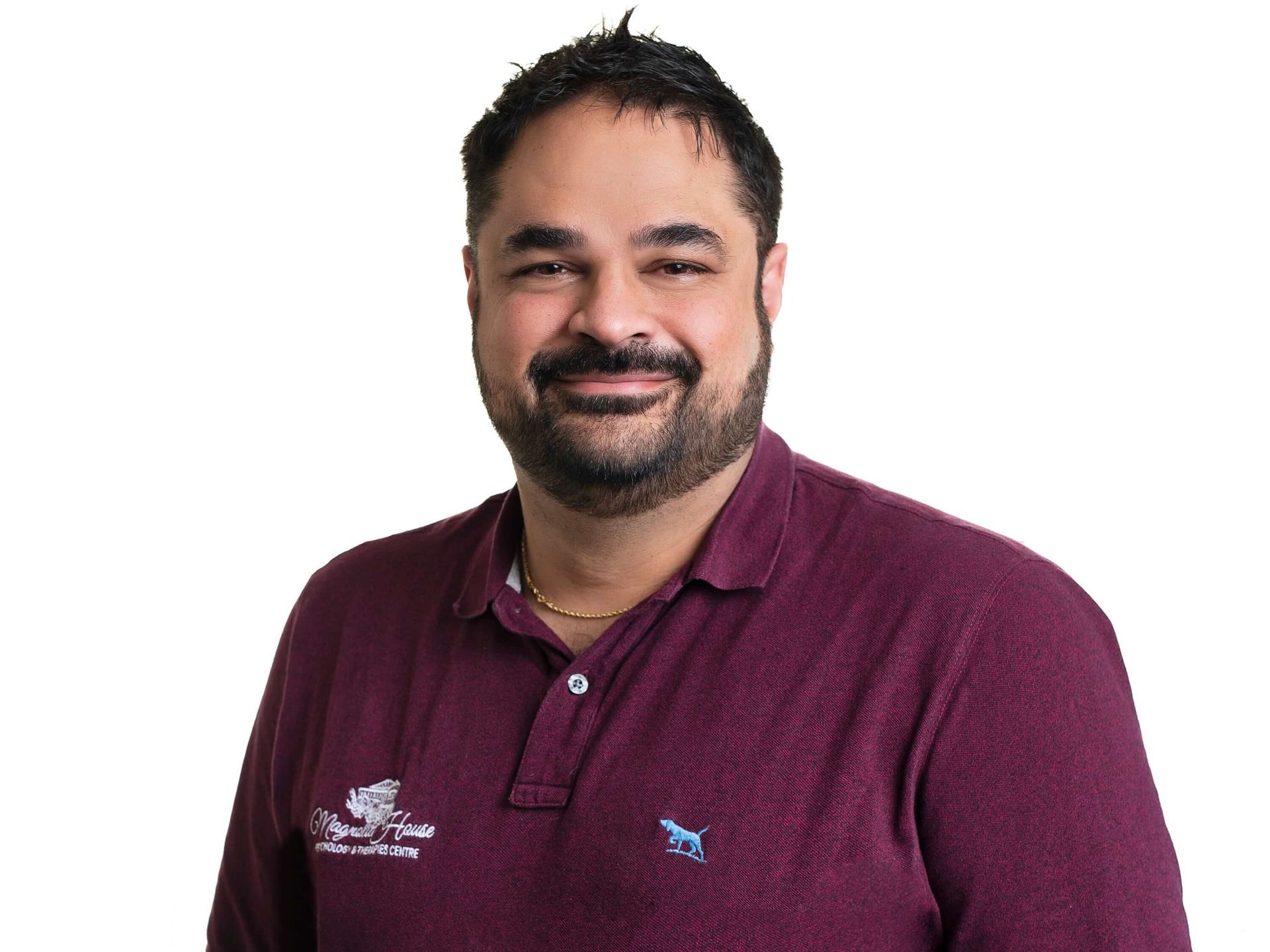
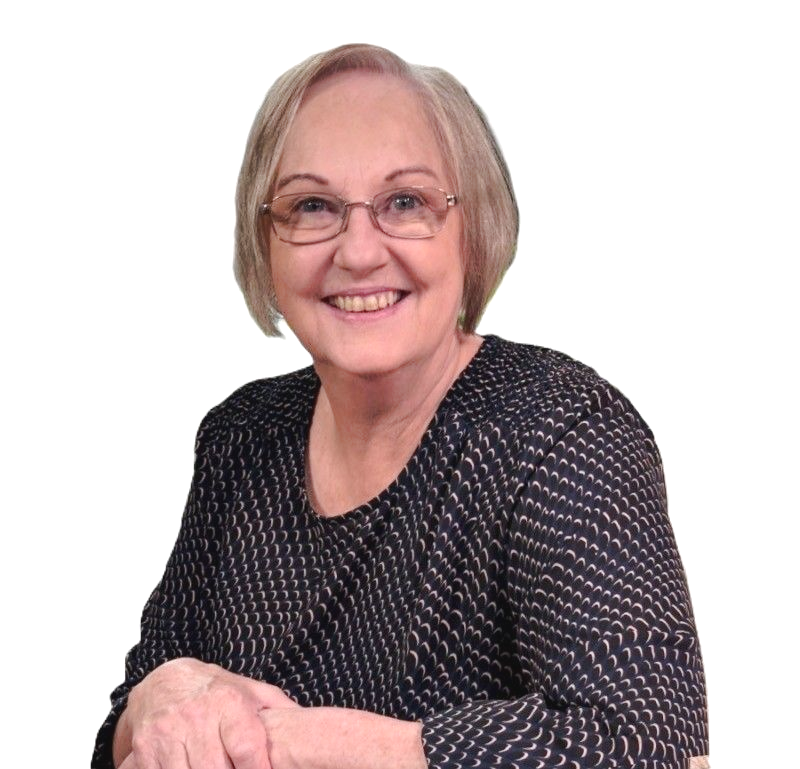
Our Brisbane Child Family Law Assistance Team
Our goal is to provide clear, balanced, and ethically grounded assessments that will assist the Court and families in making informed, child-focused decisions.

Domestic & Family Violence Risk Assessment Frequently Asked Questions
Find clear answers to the most common questions about our specialist Domestic & Family Violence (DFV) Risk Assessments and treatment services in Brisbane before you book
Do I need a referral to get a DFV risk assessment?
A DFV risk assessment is usually undertaken when there is a documented history of family members being at risk of, or having suffered, domestic and family violence. The request or referral generally comes from professionals such as health workers, teachers, community workers or DFV specialists, Child Safety, police, or multi-agency teams. That said, you don't always need a formal referral — individuals, families and legal representatives are welcome to contact us directly to discuss whether an assessment is appropriate for your situation.
How long does it take to complete a risk assessment?
The time taken depends on the complexity of the assessment. Factors such as the number of parties, children involved, scope of contact supervision, and the need for extended observations or specialist testing all affect the time frame. In most cases the assessment can be completed within 3–6 weeks of receiving the brief and all relevant documentation.
What happens after a DFV risk assessment?
A tailored safety plan is developed for the victim-survivor and any children, addressing immediate and longer-term safety needs (for example, secure communication, support networks and legal protections). Victim-survivors can be connected to specialist DFV services for counselling, housing, financial assistance and legal support, and persons using violence may be referred to behaviour change or intervention programmes. With consent or under Queensland's information-sharing guidelines, relevant details can be shared with other agencies (police, Child Safety, health services) to coordinate support. Where a case is assessed as high risk, it may be escalated for collaborative, multi-agency management. Because risk is dynamic, assessments are revisited as circumstances change, for example, after separation, new court orders, or escalation of violence.
What is a specialist domestic violence risk assessment, and how is it different from a general assessment?
A specialist DFV risk assessment goes beyond identifying whether violence has occurred. It examines the pattern, severity and escalation potential of the behaviour, the dynamics of coercive control, and the specific risk to children and adults. We use validated, evidence-based frameworks aligned with national and state risk assessment principles, and where appropriate, internationally recognised actuarial tools such as the Ontario Domestic Assault Risk Assessment (ODARA) and the Domestic Violence Risk Appraisal Guide (DVRAG). These structured tools bring consistency and predictive accuracy beyond unstructured clinical judgment, which is what makes our assessments defensible for court, child protection and interagency decision-making.
What are ODARA and DVRAG?
ODARA (the Ontario Domestic Assault Risk Assessment) is a validated actuarial tool that estimates the likelihood of future domestic violence by examining empirically-derived risk factors such as prior domestic incidents, criminal history, victim vulnerability and substance misuse. DVRAG (the Domestic Violence Risk Appraisal Guide) builds on ODARA by integrating a structured assessment of psychopathic traits, producing a more nuanced picture of higher-risk individuals. Used alongside broader clinical and contextual information, these tools help us provide structured, research-validated and defensible risk estimates that inform supervision, safety planning and intervention.
What does domestic and family violence include — is it only physical abuse?
No. Domestic and family violence is rarely limited to isolated physical incidents. It commonly involves coercive control, emotional and psychological abuse, economic abuse, technology-facilitated abuse, and ongoing power imbalances. Children can be seriously affected even when they are not the direct target, exposure to DFV can have lasting developmental, emotional and relational impacts. Our assessments are designed to recognise these less visible but high-impact forms of harm.
Can your reports be used in court or family law proceedings?
Yes. Our reports are structured for use by courts, tribunals, agencies and parties, with clear methodology, transparent reasoning and defensible, evidence-based recommendations. Where required, a report can include expert witness elements, methodology, limitations and clinical reasoning and suitable for tendering in family law and child protection proceedings. This service sits within our broader Family Law & Child Protection offering.
Do you provide treatment as well as assessment?
Yes. Alongside assessment, we offer therapeutic support tailored to DFV-affected families. This includes behaviour change intervention and counselling for persons using violence, trauma-informed therapy and parenting support for victim-survivors, supervised or supported parent-child contact, family therapy and staged reunification where appropriate and safe, and integrated safety planning for children and adults. Assessment and treatment work best when connected assessment identifies risk, and treatment supports safety, accountability and change over time.
Still have a question?
Call our Brisbane clinic or send a quick message—our team replies within one business day.
